LOOKING BACK AT THE 2026 GALA DE LA TERRE
On July 4, the fourth edition of the Agora Orchestra’s Gala de la terre
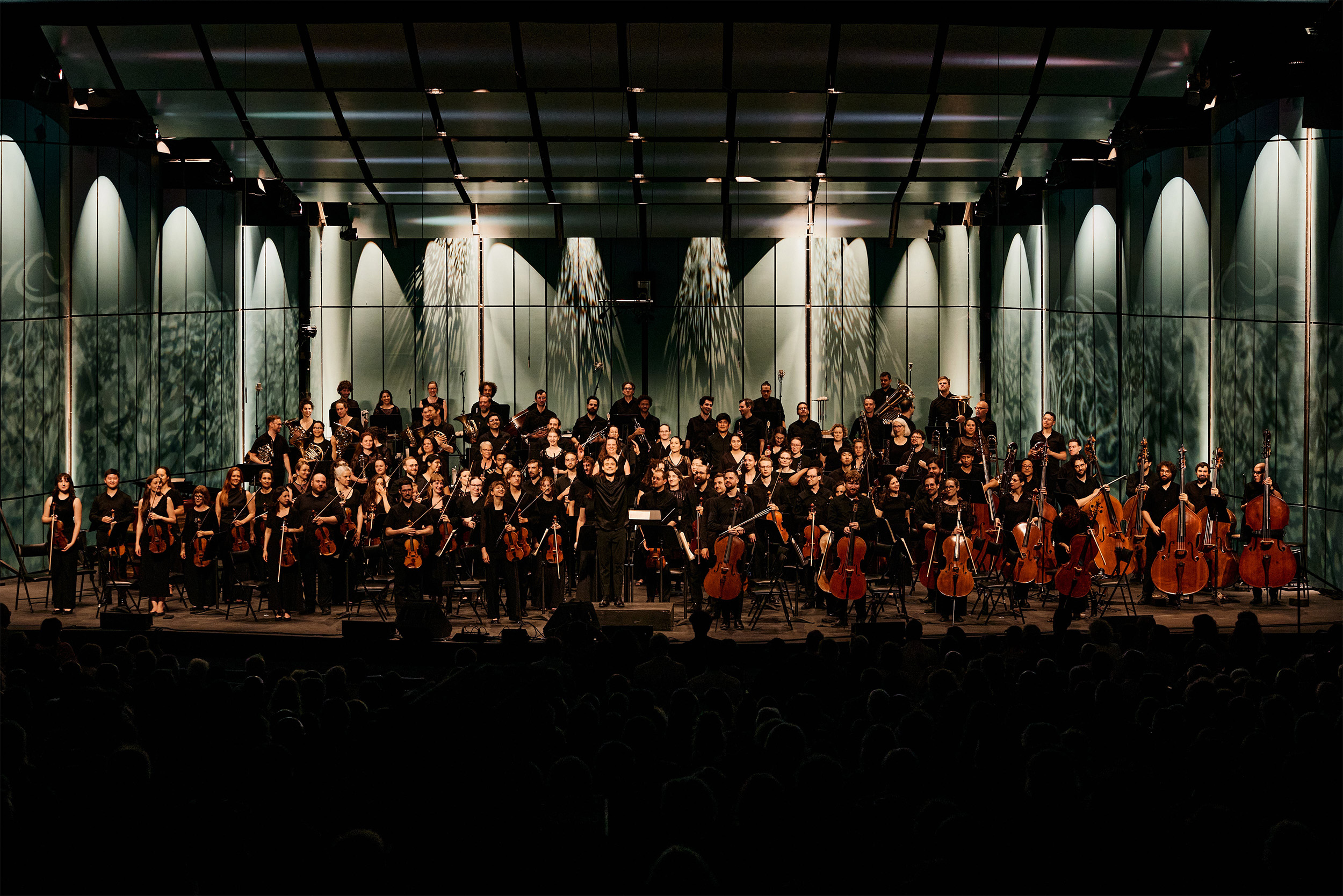
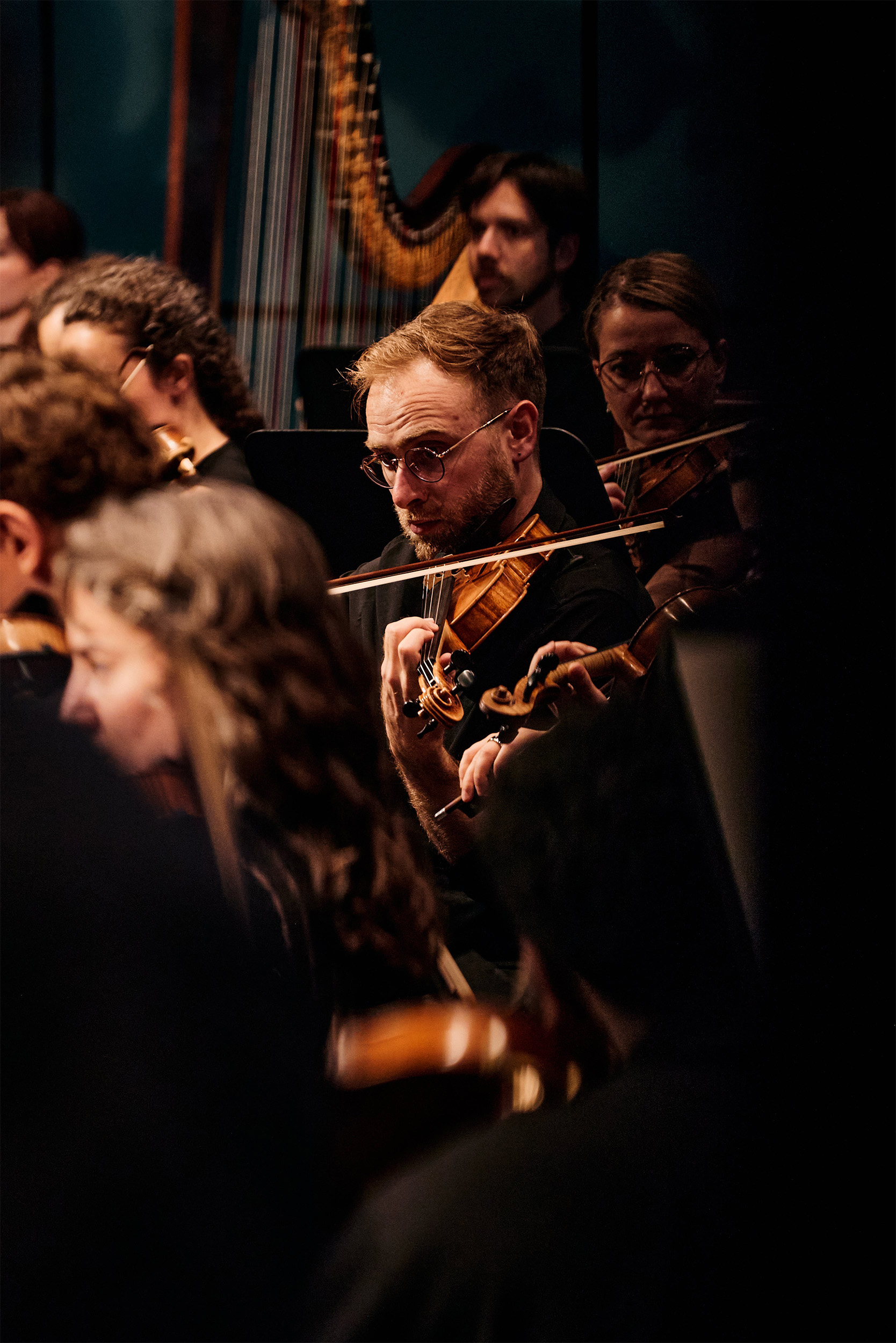
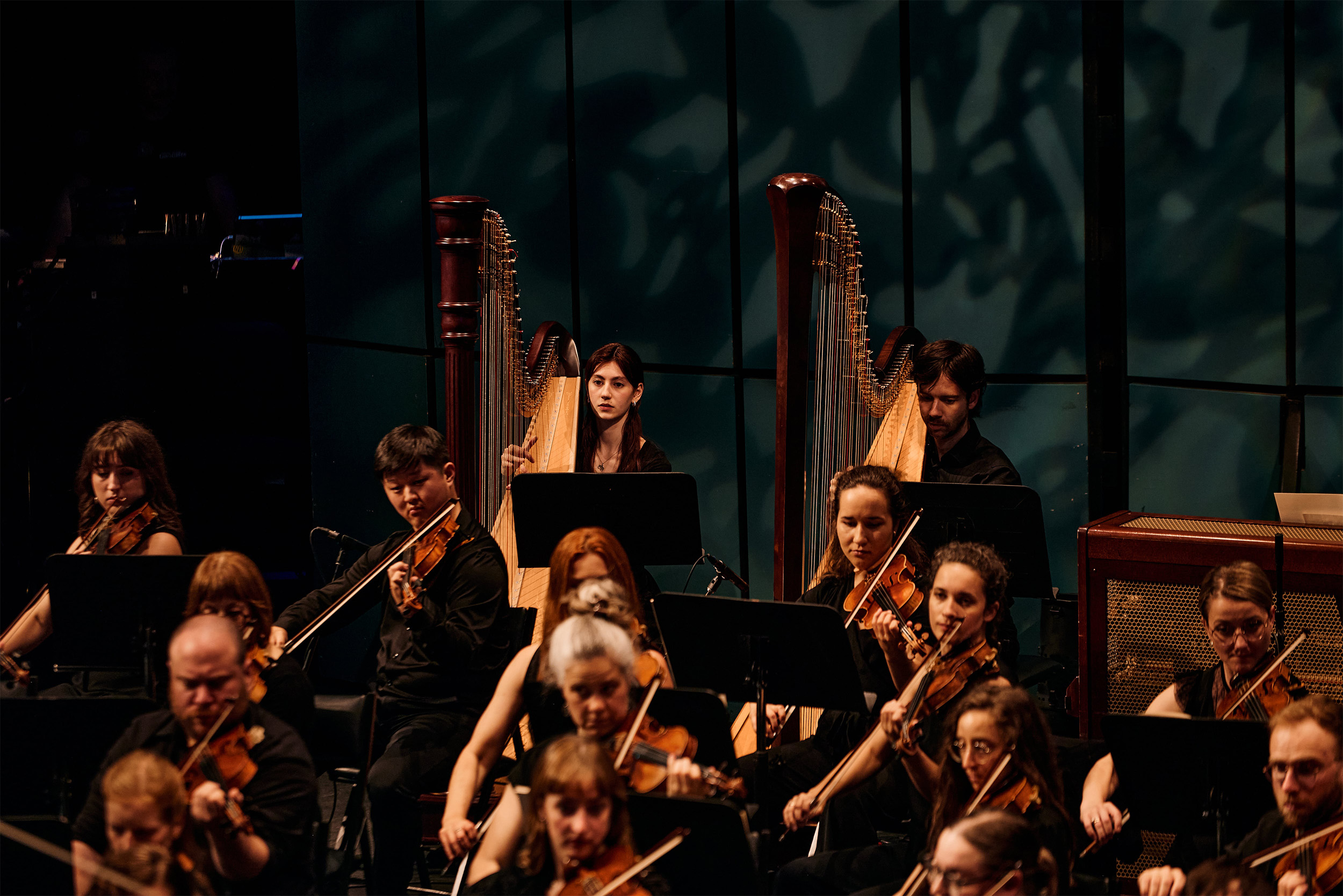
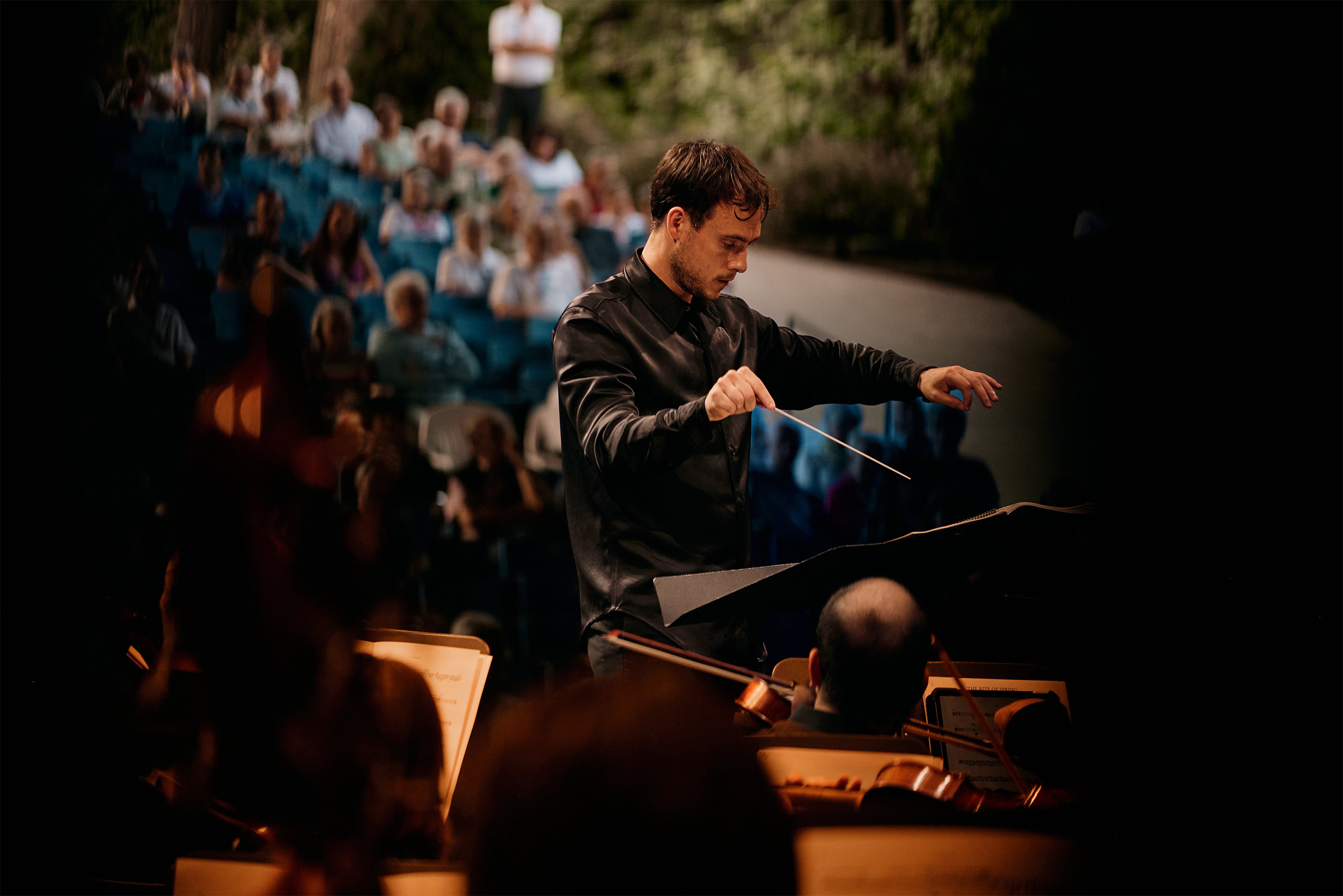
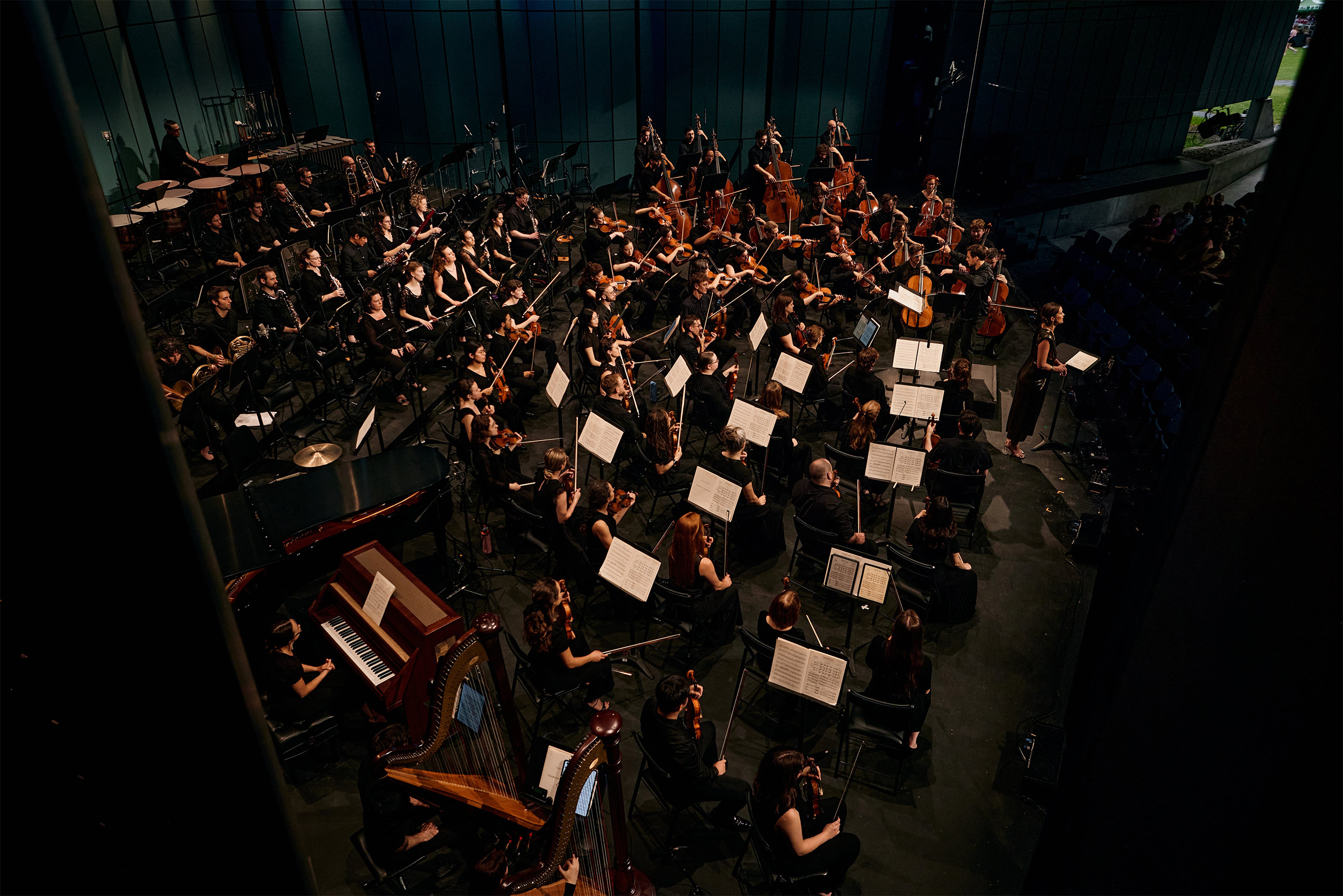
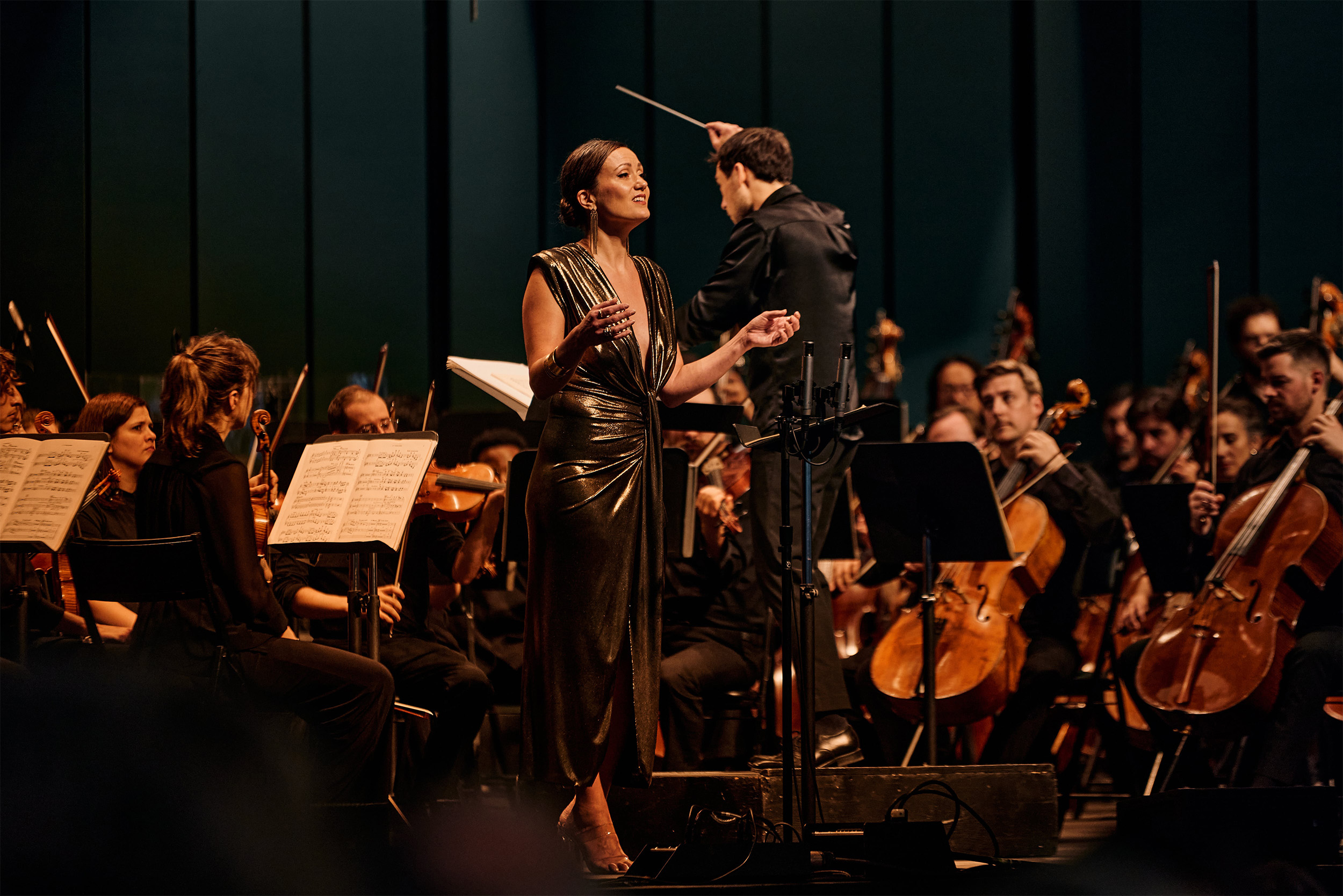
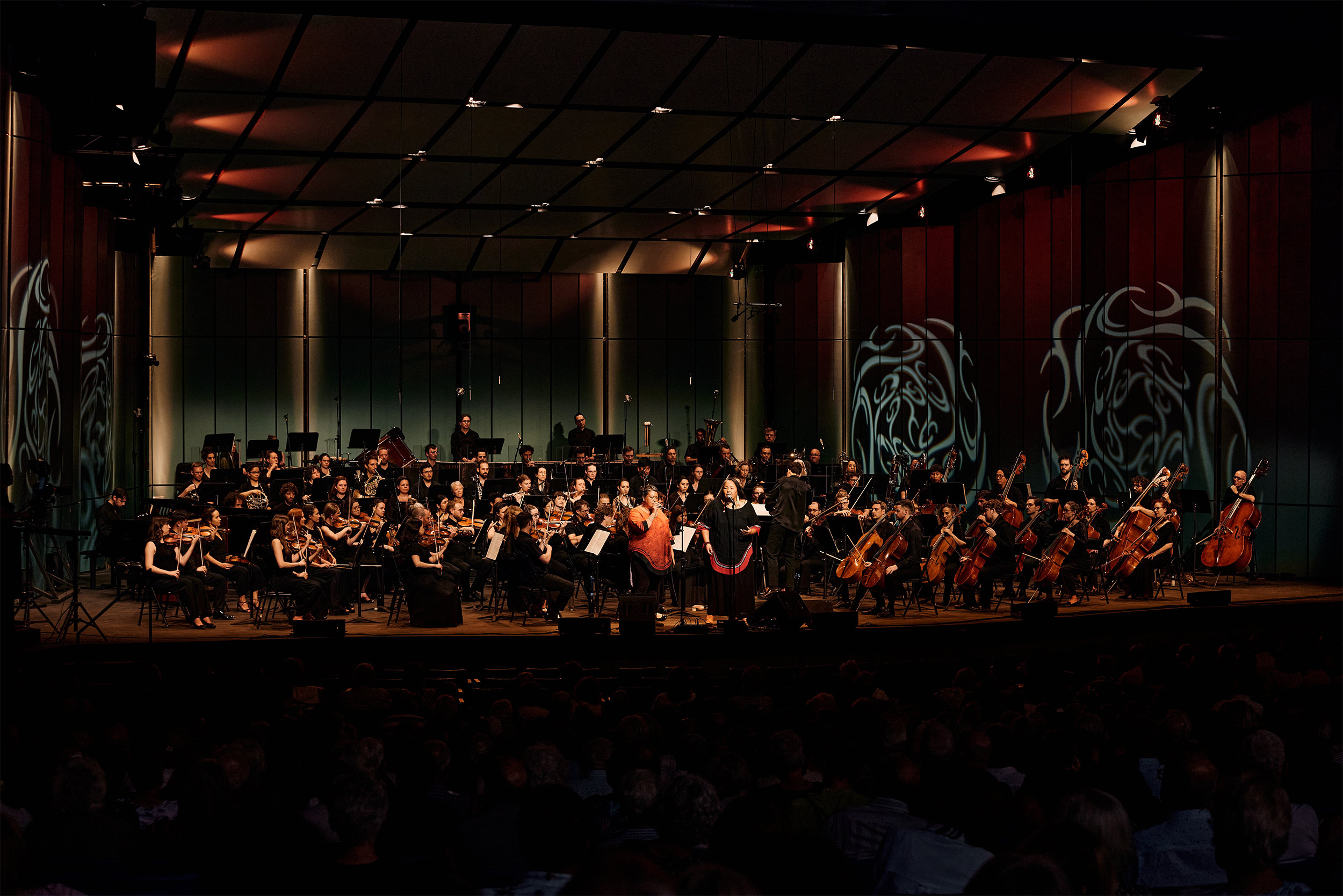
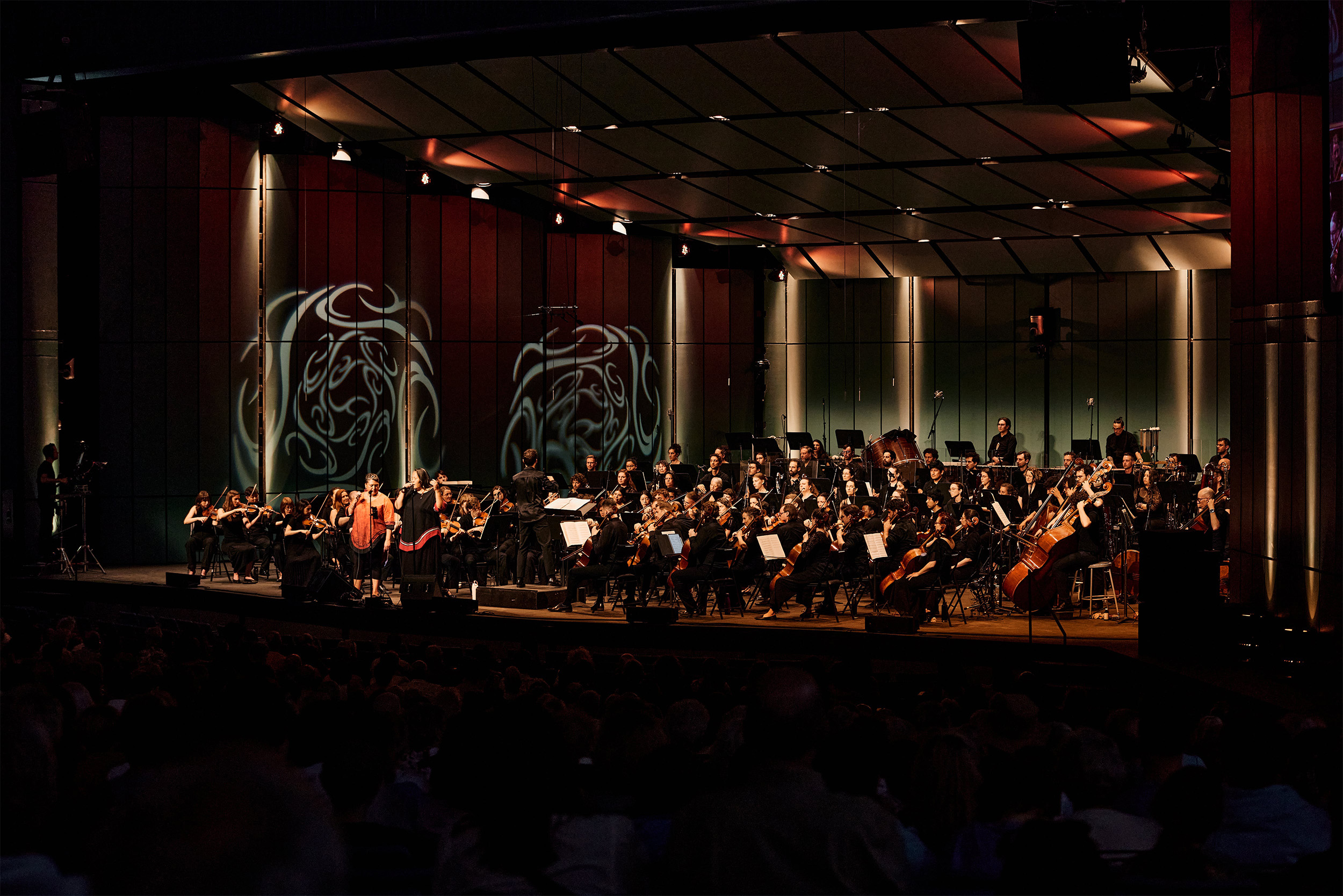
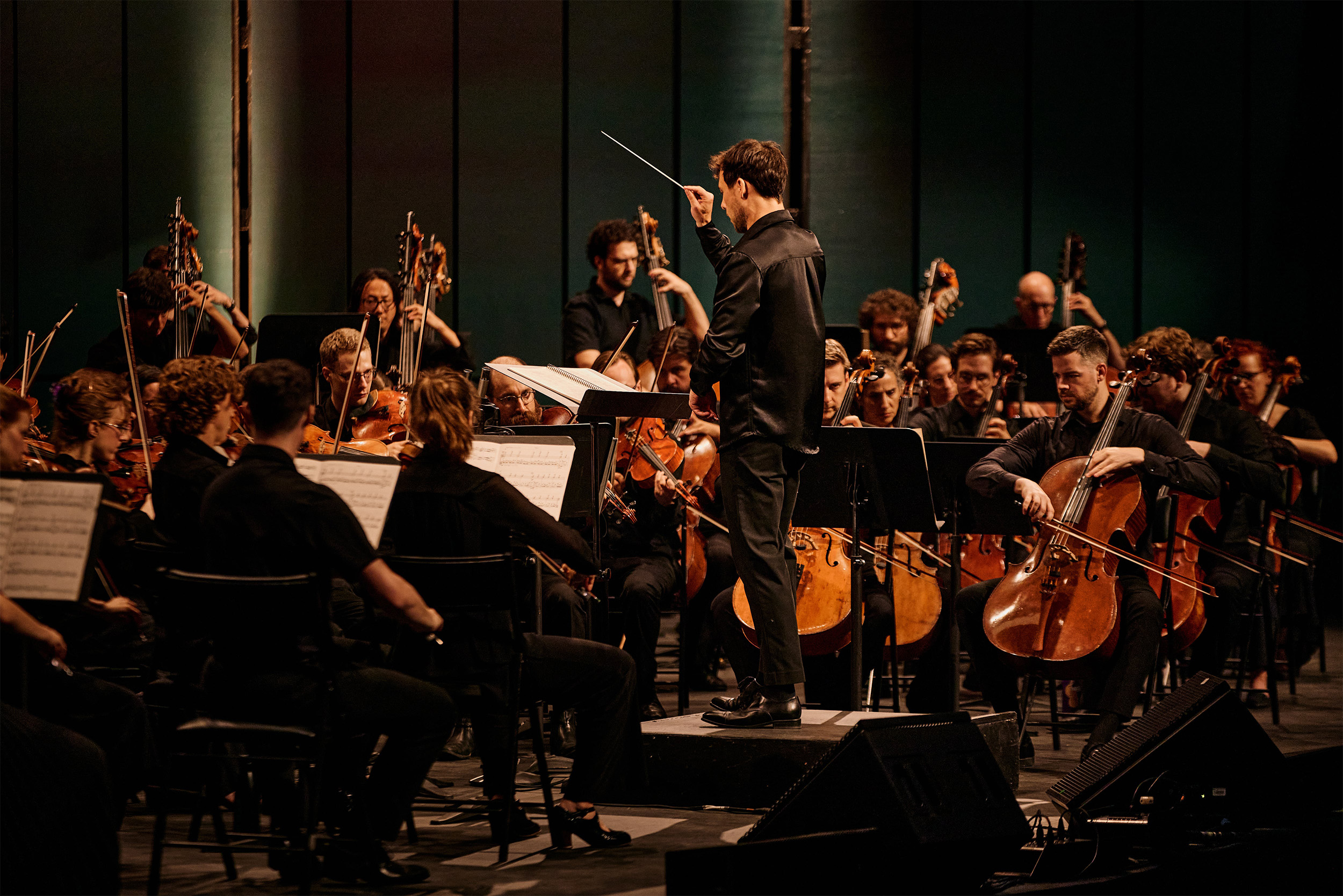
On July 4, the fourth edition of the Orchestre de l’Agora’s Gala de la Terre opened the Festival de Lanaudière under the direction of Nicolas Ellis, with a program dedicated to nature. From Champagne’s Symphonie gaspésienne to the striking rhythms of Stravinsky’s The Rite of Spring, along with Ravel’s Shéhérazade featuring Julie Fuchs and Makdissi-Warren’s Chorus Nunavik, performed by Inuit throat singers Lydia Etok and Nina Segalowitz, 115 musicians and artists came together on stage!
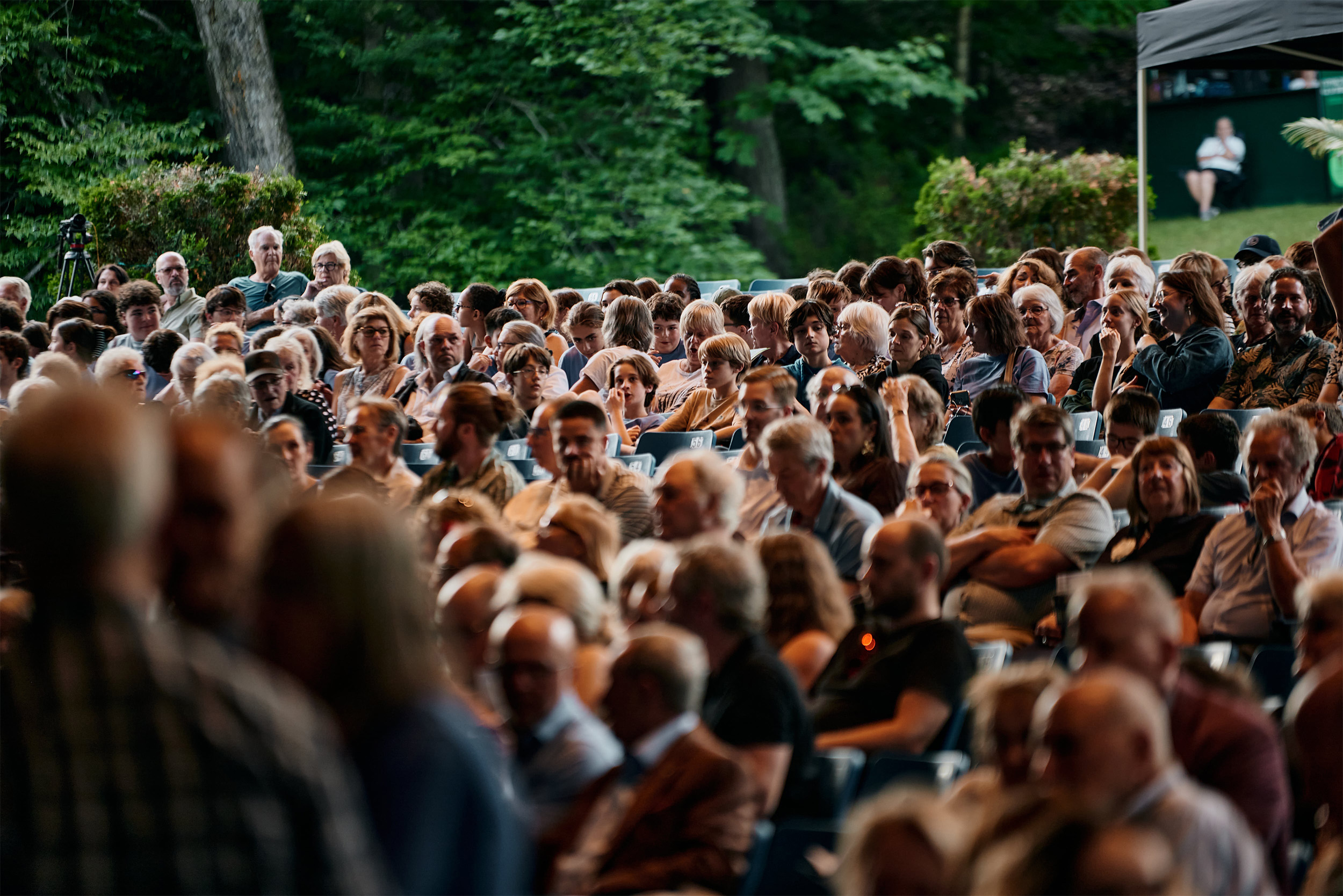
Thanks to the support of our audience, partners, and donors, this edition of the Gala de la Terre raised $102,878 for Nature Conservancy of Canada’s St. Lawrence River project, dedicated to protecting and restoring lands along the St. Lawrence River.

Nicolas Ellis
Artistic director and conductor
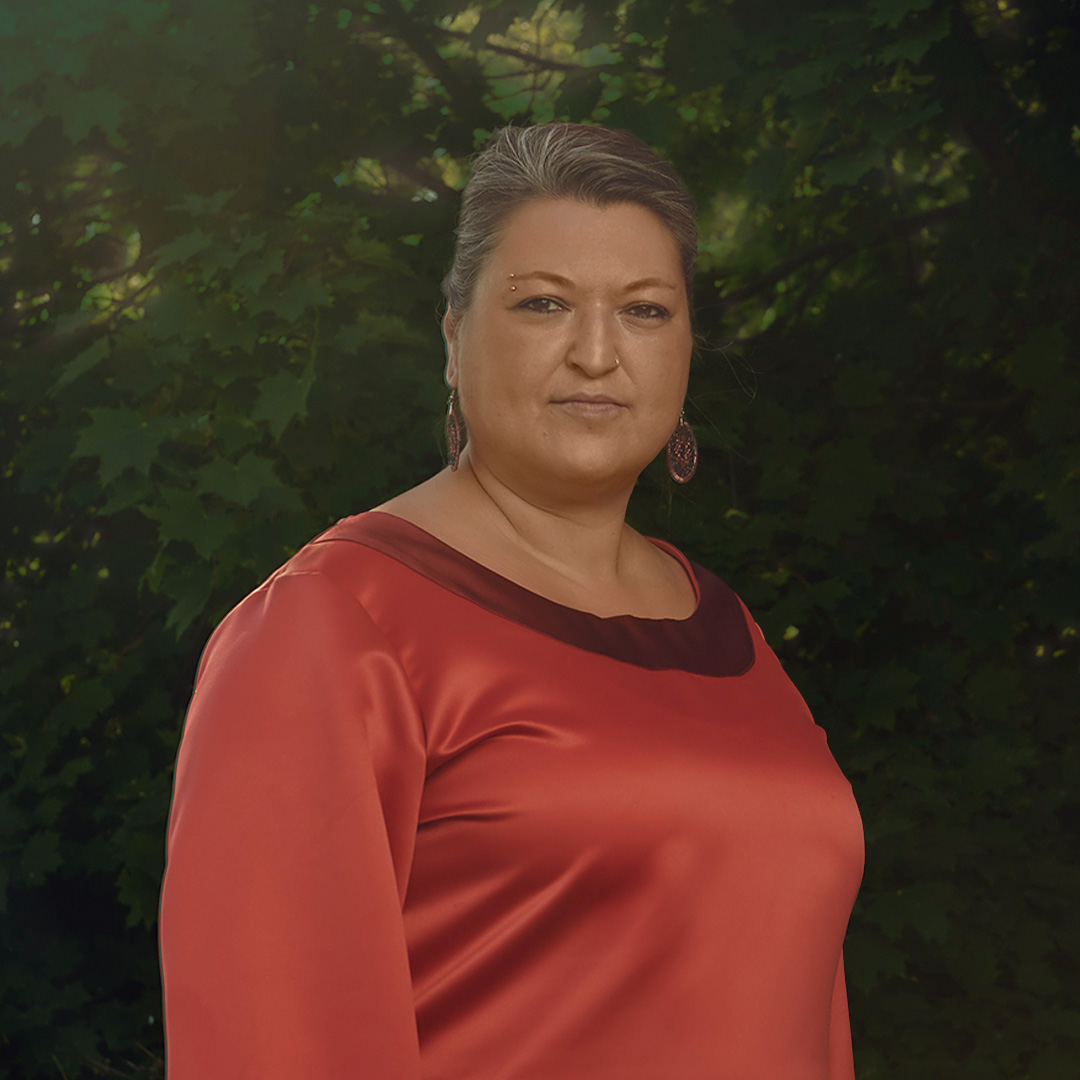
Lydia Etok
Inuit throat singer
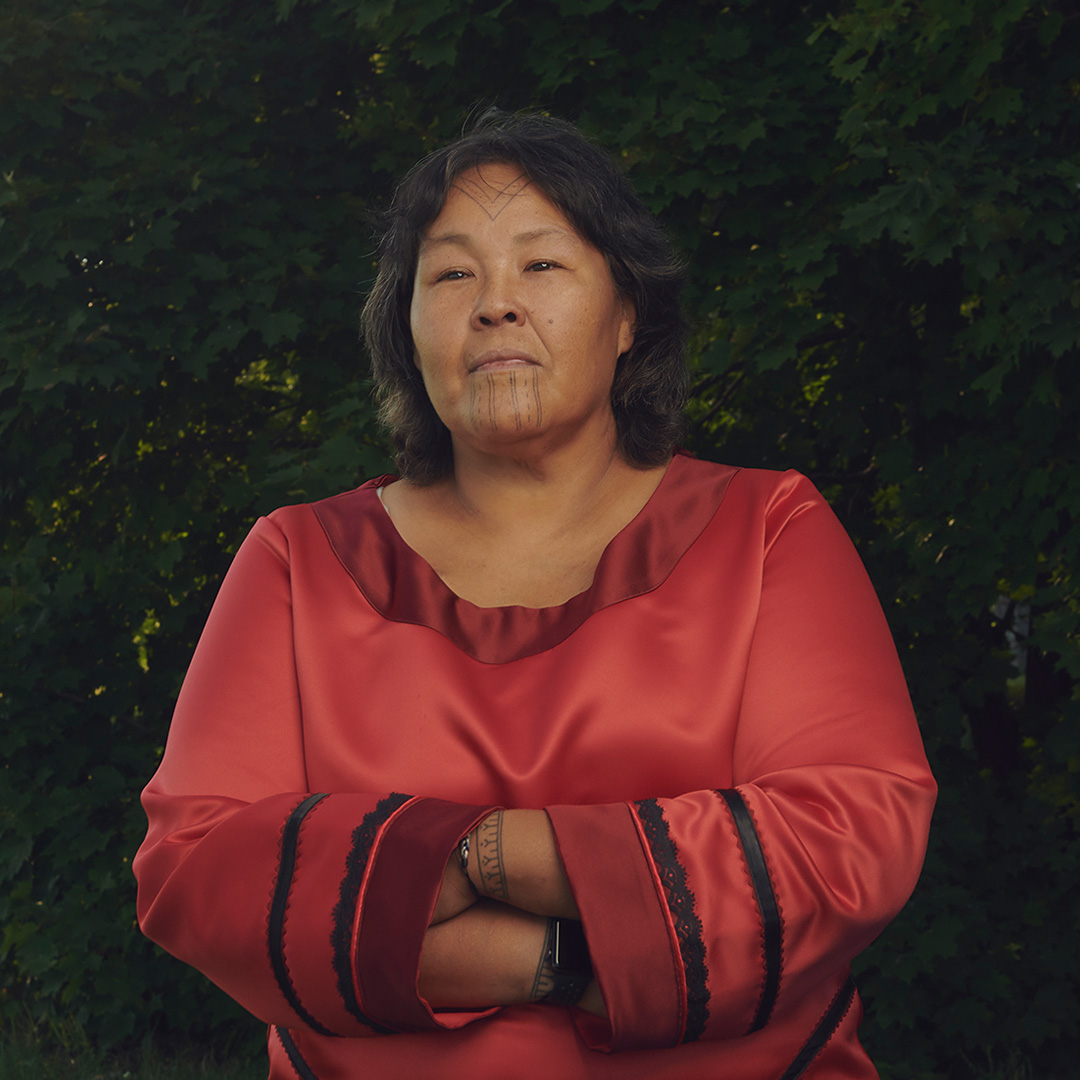
Nina Segalowitz
Inuit throat singer

Julie Fuchs
Soprano
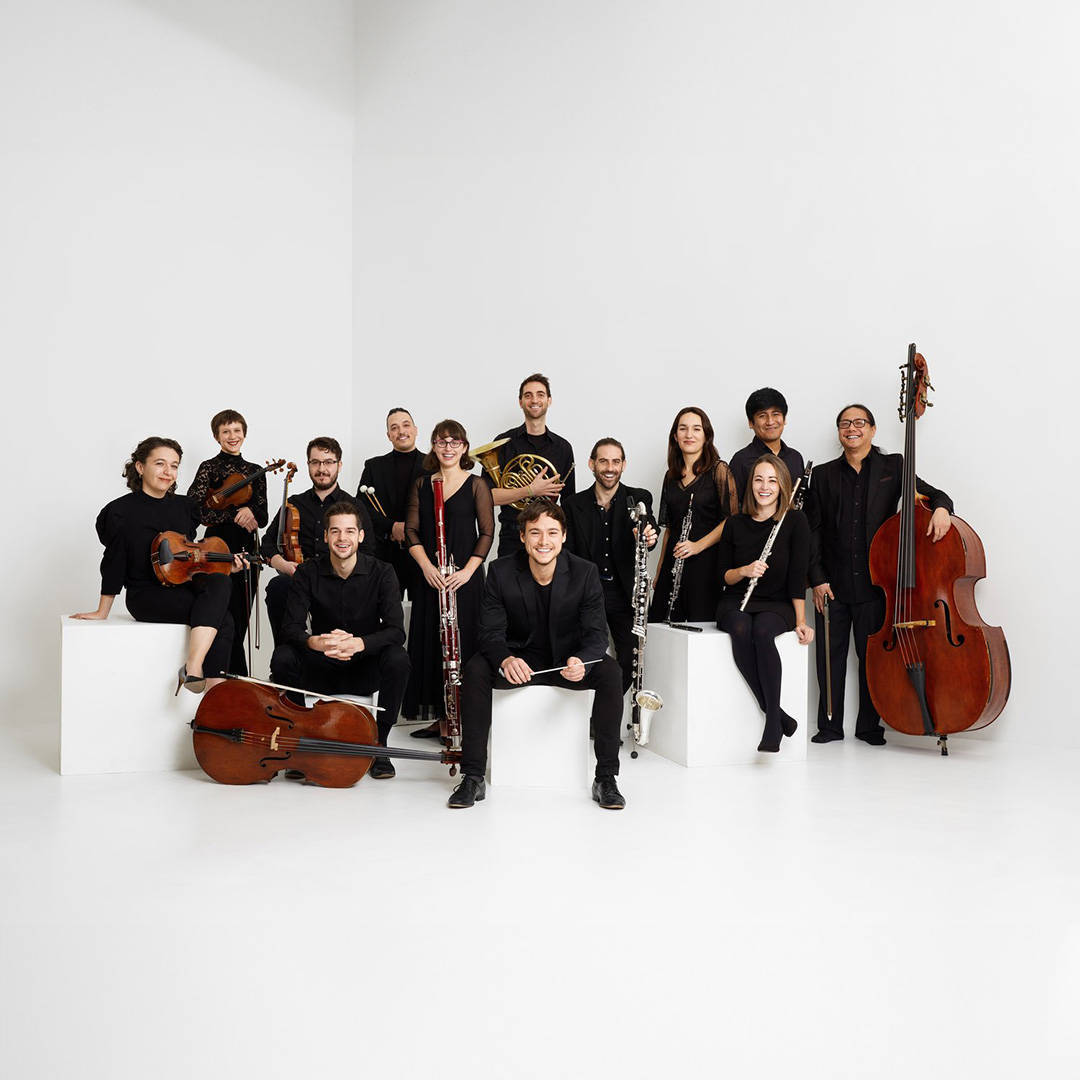
Orchestre de l'Agora
111 musicien·nes
Project supported
The Saint Lawrence, at the heart of our lives and history
Our mission
The Nature Conservancy of Canada (NCC) is the nation’s unifying force for saving nature. By permanently conserving vast areas, we provide solutions to the twin crises of rapid biodiversity loss and climate change. Since 1962, our commitment to protecting our natural heritage has helped us mobilize Canadians to conserve and restore more than 20 million hectares. Together, we are moving toward a key goal for the future of our planet: protect 30% of its land and water by 2030. In Quebec, 4 million hectares of land are protected by NCC. With nature, we create a prosperous world.
The Saint Lawrence, at the heart of our lives and history
This year, the St. Lawrence will be honored during this exceptional evening, as the 2026 Earth Gala will help support its protection.
The St. Lawrence occupies a central place in the geography, history and economic development of Quebec. It contains an ecological and natural wealth that contributes to the prosperity of all. Since 1978, NCC has led various initiatives to protect this majestic waterway.
This major conservation work is based on several areas of intervention at the heart of NCC’s mission. First, by protecting private land through its acquisition. Over the years, these acquisitions have enabled NCC to protect 15 islands and 115 kilometres of shoreline, for a total of 2,655 hectares of natural island and riparian environments.
NCC is also conducting innovative work to better understand the threats facing these ecosystems. The organization relies on evidence-based data to define its priority restoration actions and actively contributes to knowledge exchanges with its partners, thus enhancing the quality and impact of its conservation actions. This science-based approach is essential, because habitat degradation – including shorelines, floodplains, and wetlands – requires targeted interventions. Approximately 25 restoration projects are carried out by NCC each year in Quebec.
The organization promotes a community component by promoting the accessibility of certain sites and raising awareness among the public who visit them. In addition, NCC supports indigenous conservation with the various communities along the river. Recently, NCC and the Council of the Essipit Innu First Nation have joined forces to protect Pointe Sauvage. From this essential collaboration was born a management plan that combines traditional knowledge and scientific approaches.
Conservation and restoration projects carried out by NCC and its partners help not only to protect endangered environments and species, but also to preserve one of the largest freshwater reserves on the planet: the St. Lawrence, which alone accounts for more than 20% of the world’s resources.
Crédit photo : Brenden Friesen